

WHO IT’S FOR
I work with adults of all ages (18 and up) to achieve their weight loss goals as well as address nutrition-related health concerns. Over the years, I’ve counseled hundreds of clients — from recent high school graduates learning how to manage food choices on their own, to postpartum women navigating weight changes after pregnancy, to men balancing demanding careers with their health, to women managing perimenopausal or menopausal weight gain, and to adults in their 70s and 80s seeking to maintain strength, independence, and vitality.
Many of my clients also face nutrition-related medical conditions such as pre-diabetes, diabetes, PCOS, menopause, high cholesterol/hyperlipidemia, osteoporosis, liver and kidney health, GI disorder to name a few. Together, we work not only on weight management but also on improving health markers like blood sugar, cholesterol, and blood pressure. For some, these improvements even allow for a reduction or elimination of medications under their doctor’s care — results that I find deeply rewarding.
Prevention of disease is just as important. I partner with clients who have significant family histories of chronic disease and want to take a proactive approach to lower their risks. Nutrition has the power to influence not only how you look and feel today, but also your long-term health.
At the end of the day, weight and health often go hand in hand. And it’s okay to want to look good — because when you look good and feel good, that often translates into better health.
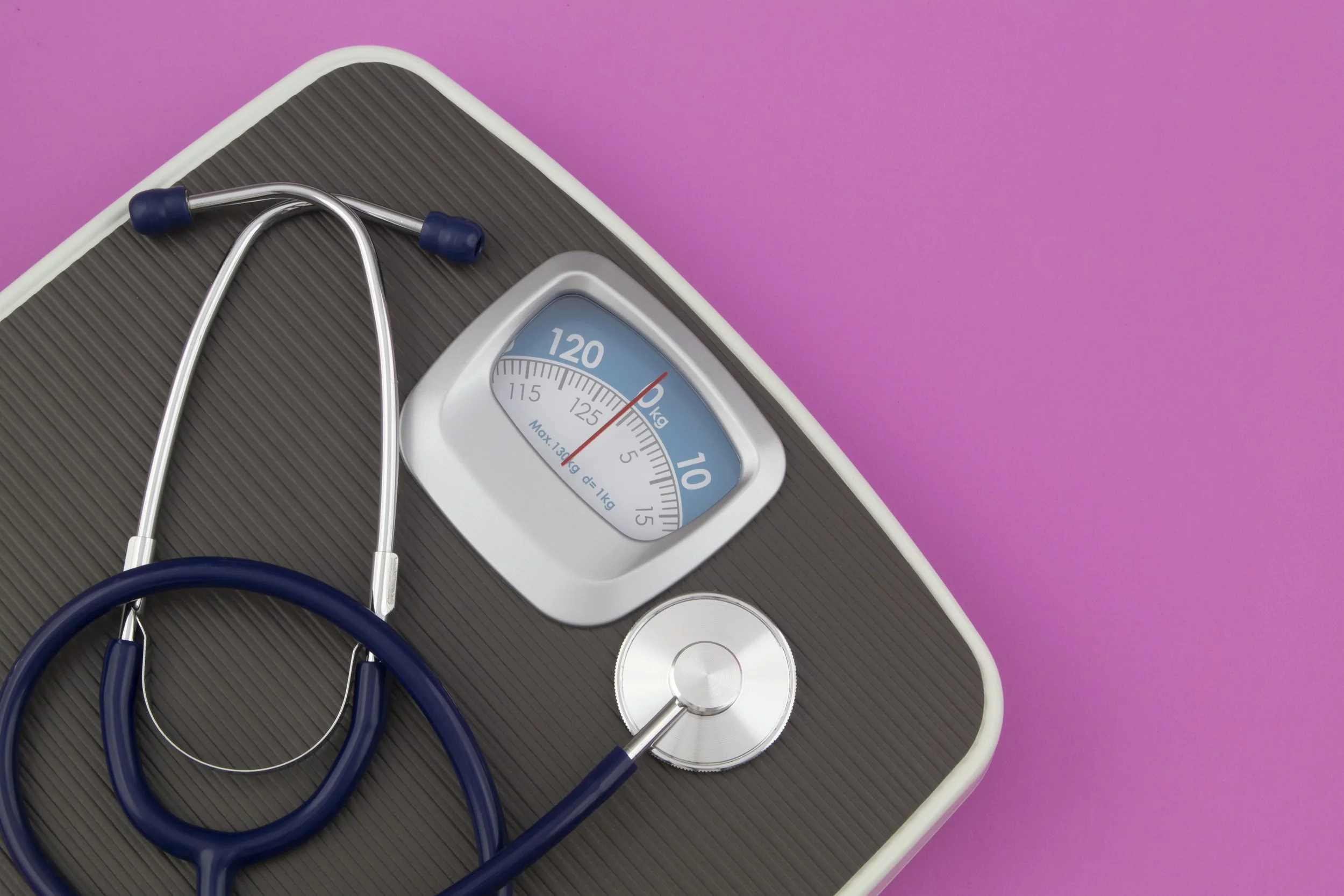
WEIGHT LOSS COUNSELING
-
Do you ever feel like, “I know what I need to do, but I just can’t seem to do it?” You’re not alone. Most of my clients already have some knowledge of nutrition — but what they’re missing is the right perspective and practical strategies to make it work in real life. Often, after our sessions, clients say: “Wow, I’ve never thought about it like that!”
Many people have tried diets before — Atkins, Keto, Optavia, Intermittent Fasting, Weight Watchers, and countless others. While they may lead to short-term results, they’re rarely sustainable. That’s because most diets are too extreme, overly restrictive, or based on misleading advice from social media “experts” without the training or clinical background to understand long-term health.
Maybe you’ve tried cutting out gluten, dairy, or sugar. Maybe you’ve relied on bars, powders, or shakes that barely qualify as food. Maybe you’ve even been told you shouldn’t dine out or drink alcohol if you want to lose weight. None of this is realistic — or ethical. These approaches are why so many people feel stuck in cycles of starting and stopping.
My philosophy is different. I teach clients how their bodies actually work, why certain past efforts failed, and how to approach food in a way that supports both health and happiness. Together, we focus on real food, balanced meals, and practical strategies that fit into your life — whether that includes traveling, dining out, socializing, or simply enjoying your favorite foods.
At the heart of my approach is a simple framework. It must be:
Healthy (first and foremost)
Effective for weight loss
Enjoyable (so you can live your life and love your food)
Sustainable (because if it only works short-term, it’s not a true solution)
When you’re healthy, happy, and consistent, results follow — and they last.

GLP-1 USER SUPPORT
-
Are you on a GLP 1 medication and want to make the most of this opportunity in an effort to achieve long lasting results? Are you worried that you’re not eating healthfully or that you won’t be able to sustain this way of eating without the medication? Would you like to avoid muscle loss and other undesirable potential side effects? I can help.
I’ve worked with clients who came to me as a “last resort” before starting medication and were able to reach their goals without it. I’ve also worked with many clients who are on GLP-1s and achieved the best results by combining the medication with personalized nutrition counseling. In both cases, my role is to ensure clients are meeting their nutrient needs, optimizing their results, and protecting their health.
For some, GLP-1s serve as a helpful jumpstart. For others, the goal is to eventually wean off while maintaining their progress. I teach clients how to eat in a way that promotes fat loss while preserving lean muscle — because muscle is a metabolically active tissue that supports long-term weight management. Without proper nutrition, it’s possible to lose muscle along with fat, which makes maintaining results more difficult, not to mention the negative health ramifications of muscle loss.
I also help clients manage side effects such as nausea or constipation, which can otherwise interfere with success. And for those who want to take the lowest effective dose of medication, nutrition counseling provides the structure and support needed to make that possible. Think of GLP-1s as a stepping stone: they can provide firmer footing, but the real foundation is built with education, accountability, and sustainable habits.
Most importantly, it’s essential to remember that GLP-1s only work while you’re taking them. Building healthy eating habits and understanding how to fuel your body ensures that your success is lasting — whether you stay on the medication or eventually transition off. This combination of science-based counseling and GLP-1 support provides an incredible opportunity to reach your goals in a sustainable way.
Should there come a time when you’d like to wean off the medication, having a solid basis for how to eat, by solidifying your habits to the point where they become rote, is key for success without the use of weight loss medications if that is what your goal is. You want to give yourself the best opportunity to live the life you want – both for health AND weight loss. That requires an investment in education, accountability, and guidance, as well as the GLP-1 to help jumpstart.

HEALTH CONCERNS
(pre-diabetes, diabetes, PCOS, menopause, high cholesterol/hyperlipidemia, osteoporosis, liver and kidney health, GI disorders )
-
Bad news: your doctor is concerned. Good news: you can do something about it. With so many things in life outside of our control, it’s empowering to know that nutrition is one area where you can take control. If you’ve been told you have diabetes, pre-diabetes, high blood pressure, high cholesterol, osteoporosis, or another condition driven by lifestyle factors, your body is sending you an important message: it’s time to make changes.
Too often, the first response to rising blood sugar, high cholesterol, or other health concerns is a prescription. While medication can be necessary and helpful, nutrition is just as powerful — and in many cases, changes in diet can treat or even reverse certain conditions. My role is not to prescribe medication, but to work alongside your physician, using nutrition as a tool to improve your health outcomes.
Whether you’re newly diagnosed or looking to prevent a strong family history from becoming your reality, taking control of your nutrition can dramatically improve your quality of life. Over the years, I’ve worked with hundreds of patients with multiple comorbidities, alongside their doctors, to provide medical nutrition therapy. My clinical background — including years of experience at some of the nation’s leading hospitals and certification as a Certified Nutrition Support Clinician (CNSC) — has given me a deep understanding of physiology, biochemistry, and the pathophysiology of disease. This foundation allows me to interpret labs, assess nutrition–medication interactions, and translate complex science into practical strategies for my clients.
Whether you’re managing diabetes, pre-diabetes, PCOS, thyroid disorders, arthritis, or other chronic conditions, I will help you learn how food can act as medicine. More importantly, I’ll guide you in building sustainable habits so that your diet is not only effective, but also enjoyable and realistic for the long term.
This is what sets a Registered Dietitian apart from a nutritionist or health coach: I have the training and clinical expertise to connect the science of nutrition to your personal health goals — and the practical tools to help you succeed
Interested in Learning More
About How I Work?
During a routine physical I learned that my A1C was up and that I was prediabetic. My doctor suggested I try to lose weight and come back in for another test in 4 months. I realized that if I could lose weight on my own, I would have done it so asked for a referral to a nutritionist. That's how I met Natalie. I worked with her for 5 months, more intensively at first then less frequently as I got the knack of eating in a new way.
Natalie gave me a great education on nutrition, how to eat for my condition, and encouragement to keep going when I felt down. The weekly and later monthly check ins held me accountable.
If you need to lose weight for health or other reasons, then why wait? You should do something proactive to improve your health now while you can. For me Natalie was the answer. She provided the structure I needed to start to change my diet and life in a positive way.
LCA